Tag: Justice

a6

Justice, Not Fear

Why Pakistan Must Reject Extrajudicial Killings to Defeat Crime

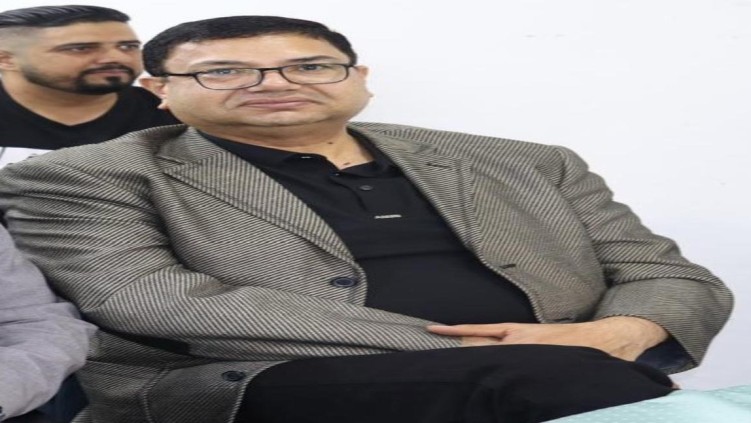
By Malik Muhammad Ishaq

President PPP — Policies & Planning (Gulf/Middle East)

Advocate Of Justice & Human Rights

Political Strategist

Executive Summary

Pakistan can—and must—fight violent crime decisively. But extrajudicial killings (“encounters”) are not justice. They weaken the state, erode public trust, risk innocent lives, and invite abuse of power. Sustainable public safety comes from the rule of law, accountable policing, speedy trials, and modern investigations—not fear.

A Nation Doesn’t Collapse When Crime Exists—It Collapses When Justice Is Replaced by Fear

Societies can endure hardship, but they rarely survive the normalization of injustice. When citizens begin to believe that rights, due process, and courts no longer matter, fear replaces conscience. Silence spreads—not because people don’t understand right from wrong, but because they feel speaking up is unsafe.

That is the moment states become fragile.

More…

a2

Venezuela, Maduro’s Capture, and the Geopolitics of Sovereignty: Legal Norms, Resources, and a Precedent-Defining Crisis


For years, tensions between the United States and Venezuela have simmered. On 3 January 2026, those tensions reached a dramatic flashpoint: the United States launched a coordinated military strike on Venezuelan soil early that morning, and U.S. leaders soon claimed that President Nicolás Maduro Moros and his wife, Cilia Flores, were captured and flown to New York in custody.

The sudden escalation — involving airstrikes, special forces operations, and public announcements by U.S. leadership — has triggered intense global debate on international law, sovereignty, resource geopolitics, and the role of power in shaping world order.

More…

a3

Pakistan’s Youth, Power, and the Perils of Performative Pessimism


A fact-based response to Zurain Nizamani’s recent commentary

By Malik Muhammad Ishaq

President, PPP (Policies & Planning) – Gulf / Middle East

In a recent article by Zurain Nizamani, a familiar narrative is once again advanced: that Pakistan’s youth has rejected the state, lost faith in institutions, and is quietly exiting a system deemed irreparable.

The argument is articulate, emotionally resonant, and tailored for digital consumption. Yet, it is also selective in evidence, narrow in scope, and analytically fragile.

More…