

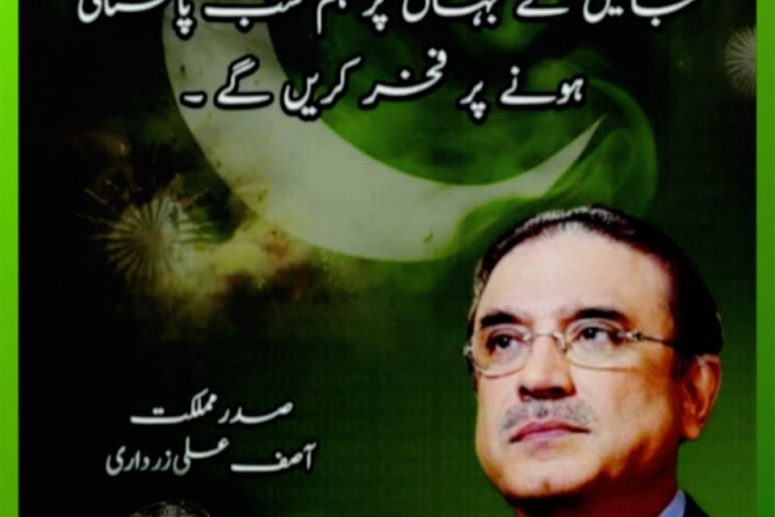
Respect as Political Philosophy
Political movements endure not because of slogans — but because of structure.
The Pakistan Peoples Party (PPP) has historically grounded its identity in the dignity of its workers, organizers, and grassroots supporters. From factory floors to student unions, from rural constituencies to overseas chapters in the Gulf and Middle East, the party’s strength has rested on those who organize, mobilize, and represent its ideals.
Dignity is not ceremonial.
It is structural.
⸻
A Historical Continuum of Worker Empowerment
Across generations of leadership, the party’s approach has emphasized labor reform and grassroots inclusion:
Zulfikar Ali Bhutto
• Introduced Pakistan’s first comprehensive Labour Policy in 1972.
• Strengthened workers’ rights frameworks and initiated institutional labor protections including EOBI (Employees’ Old-Age Benefits Institution).
• Elevated labor representatives into legislative forums.
Benazir Bhutto
• Advocated restoration of labor and union freedoms.
• Reinforced political inclusion for working-class activists.
• Framed governance around public service rather than elitism.
Asif Ali Zardari
• Repealed restrictive labor measures.
• Elevated individuals from marginalized communities — such as Krishna Kumari Kohli — into parliamentary roles.
• Expanded political representation beyond traditional elites.
💳 Bilawal Bhutto Zardari
• Advocated wage expansion measures and social protection frameworks.
• Promoted youth inclusion and grassroots organizational reforms.
• Emphasized labor dignity within broader social policy discourse.
⸻
Why Worker Dignity Matters
Every political worker — whether in Karachi, Lahore, Dubai, Doha, or London — represents the face of the party.
Overseas chapters in the Gulf and Middle East serve not merely as support networks but as diplomatic extensions of party identity. Their conduct reflects institutional culture.
Respect within organizational structures ensures:
• Internal unity
• Merit-based progression
• Leadership credibility
• Democratic accountability
No worker is insignificant.
No volunteer is expendable.
⸻
Institutional Culture: From Preference to Principle
A mature political organization must:
• Replace favoritism with merit
• Protect protocol and decorum
• Establish internal respect committees
• Empower grassroots voices in decision-making
Dignity cannot depend on proximity to leadership.
It must be systematized.
⸻
Comparative Global Traditions of Political Respect
Globally, major democratic parties institutionalize worker inclusion:
• In Sweden, labor representation is integrated into policy formulation.
• In United Kingdom, the Labour Party formally honors volunteer organizers.
• In United States, political conventions highlight grassroots activists.
• In Uruguay, local leadership feeds directly into national strategy.
Respect strengthens democratic institutions globally.
⸻
A Collective Commitment
A renewed pledge must include:
✔ No humiliation of any worker.
✔ No marginalization of grassroots activists.
✔ Transparent recognition mechanisms.
✔ Inclusive decision-making structures.
✔ Equal dignity across domestic and overseas chapters.
A party that respects its workers earns legitimacy beyond elections.
⸻
Conclusion: Respect Is Strength
Power without respect breeds division.
Respect without structure becomes symbolic.
The Pakistan Peoples Party’s enduring legacy lies in transforming dignity into policy and inclusion into governance.
Worker respect is not sentiment — it is strength.
And strength sustains movements across generations.
⸻
Editorial Note
This article was originally written in Urdu for publication in a Gulf/Middle East newspaper. For international readers, a carefully translated English version is presented here while preserving the political and institutional context of the original text.https://www.facebook.com/100063646123366/posts/1334020422062816/?mibextid=wwXIfr&rdid=bW5YxALLRQlKLvQA#
⸻